EV VS ICE EXPERIENCE: WHICH IS MORE ECONOMICALLY RATIONAL?
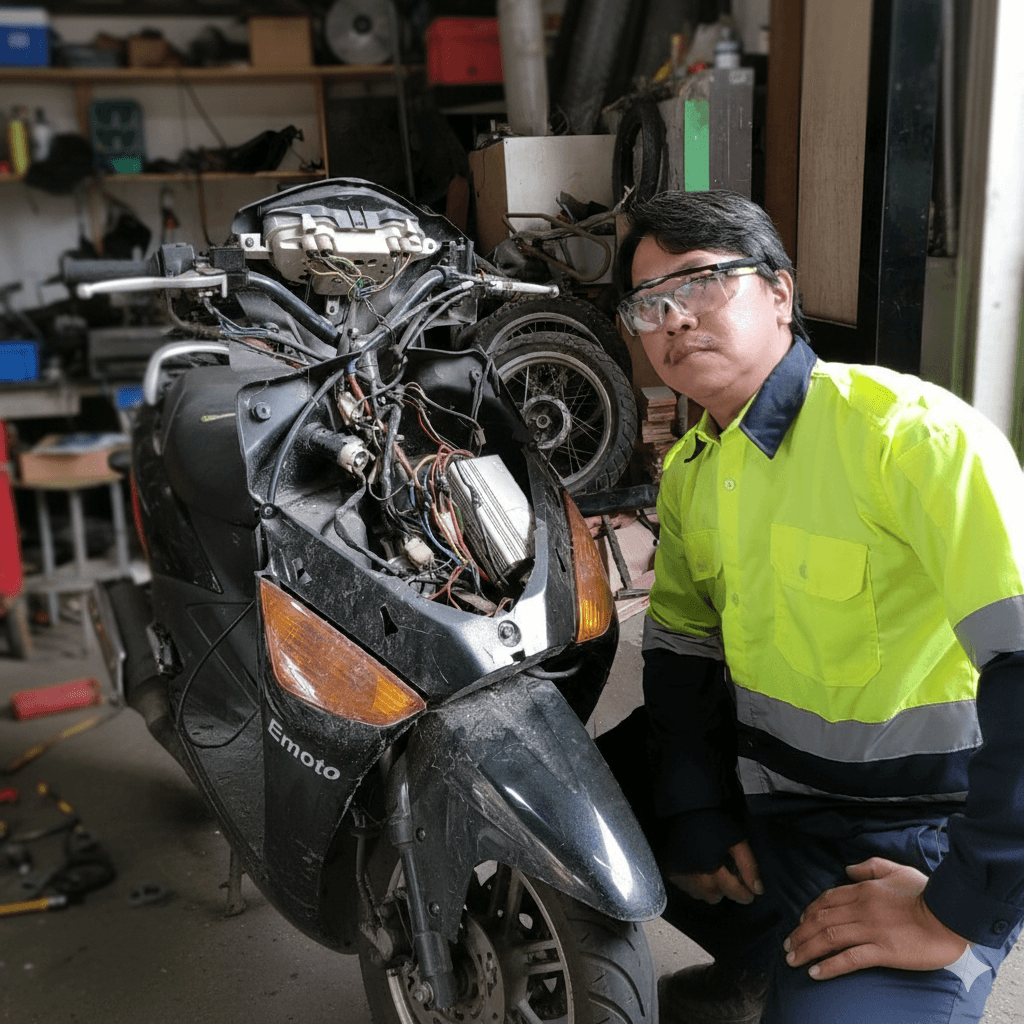
By: Ricardo Indra (KOLEKSI 236)
CarsMonday, January 12, 2026 09:26 WIB
In Indonesia, the debate between electric cars (Electric Vehicles) and conventional cars (Internal Combustion Engines) often stops at one point: the initial purchase price. Cars with a cheaper price tag are automatically seen as more "reasonable." Even for rational decision-makers, the question shouldn't stop there. Too shallow.
It is more relevant to calculate how much it will cost to own over 5-10 years. In the end, a car isn't just about buying it; you also need to consider ongoing costs like energy, service, depreciation, and the risk of future price hikes.
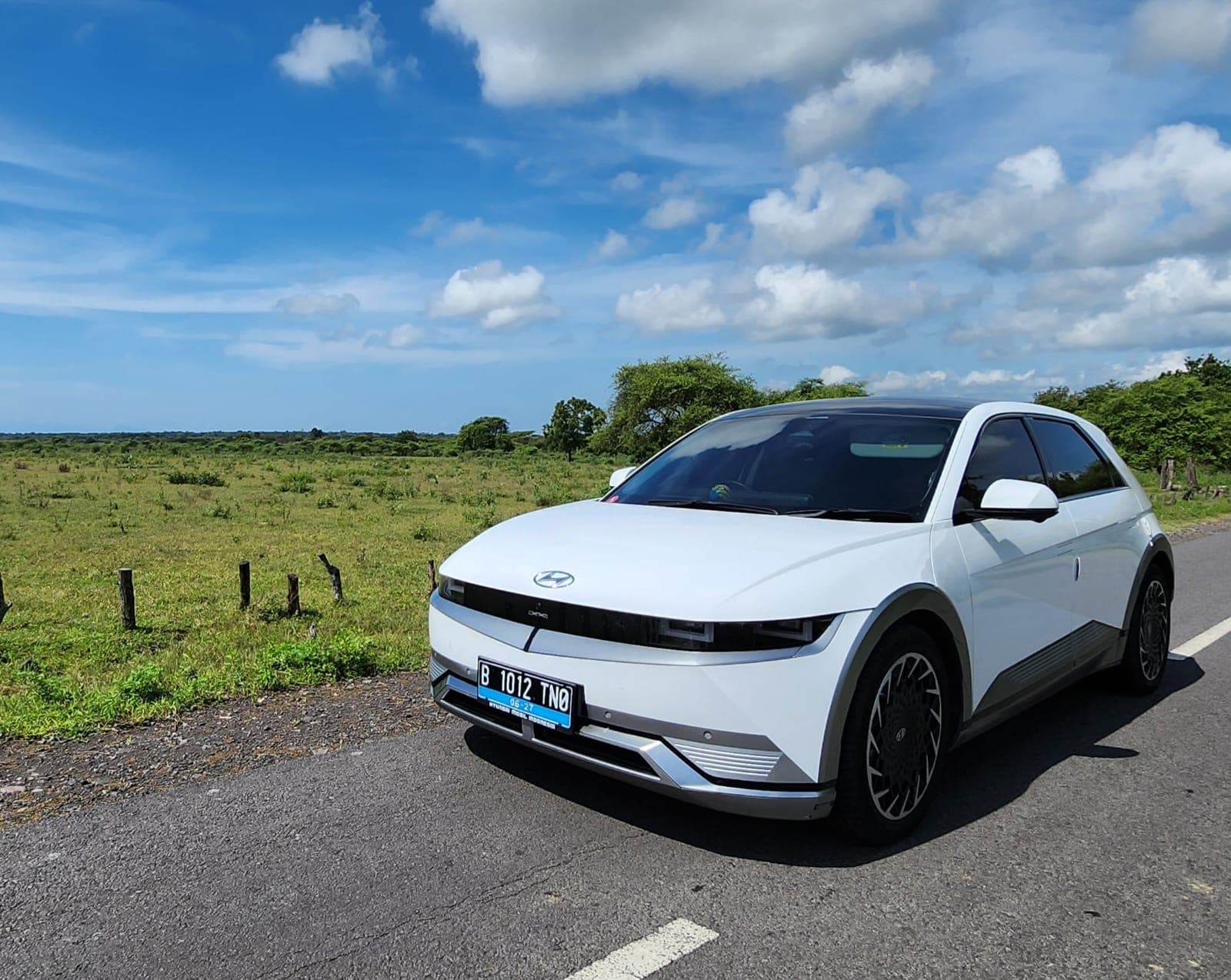
As a former Mitsubishi Pajero Sport Ultimate owner who later switched to the Hyundai IONIQ 5 SLR (Signature Long Range), I want to share my EV and ICE experience from a customer perspective. My goal isn't to judge the choice, but to provide a comprehensive economic picture to consider when adopting new electric-car technology.
Expensive in Advance, Cheap in Everyday Life.
Hyundai, which has the slogan "Building Indonesia's Electric Car Ecosystem", introduced the IONIQ 5 as a modern electric car and represents one of the pioneers of electric cars. Meanwhile, the Mitsubishi Pajero Sport Ultimate is a conventional diesel SUV (Sport Utility Vehicle) that is already established in the Indonesian market.
The Hyundai IONIQ 5 SLR is the highest variant of the IONIQ family and is indeed more expensive than the Mitsubishi Pajero Sport Ultimate. The difference between the two cars is about one hundred million. The government's policy on electric cars has significantly narrowed the price difference between EVs and conventional cars.
In many cases, the remaining difference is no longer decisive. More importantly, operational costs dominate over the ownership period. Many cost components must be incurred after purchasing a motor vehicle.
Energy Cost: A Source of EV Excellence
The Hyundai IONIQ 5 Long Range has a ±72.6 kWh battery with a range of around 480 km WLTP. If you travel 20,000 km per year and charge mostly at home, Electricity consumption is ±2,500 to 3,000 kWh/year, where the home electricity tariff is ±Rp1,700/kWh, and the calculation of energy consumption is ±Rp4-5 million per year, or around Rp400-500 thousand per month. Or around Rp40 million for 8 years.
The Mitsubishi Pajero Ultimate diesel averages ±10–12 km/litre in real use. If you travel the same distance of 20,000 km per year, the fuel needs are ±1,800-2,000 liters per year, the price of Pertamina DEX ±Rp14,500-15,500/liter, and the fuel costs are ±Rp30 million per year or around Rp2.5- 3 million per month. In fact, I spend an average of Rp4 million per month, or around 48 million per year. The estimate is Rp384 million for 8 years.
Over 8 years, owning an EV is more economical by IDR 344 million. This is the main reason why electric cars are superior.
Almost No Maintenance and Service
Diesel cars like the Mitsubishi Pajero Sport Ultimate have a combustion engine, a complex fuel system, engine oil, transmission oil, filters, an exhaust system, a turbo, and engine components that are more complex than those in electric cars. All of this requires regular periodic service and component replacement. Based on experience, diesel engine servicing costs will continue to increase over time. Let's say the average is around IDR 5 million per year; over 8 years, that's IDR 40 million.
On the other hand, the Hyundai IONIQ 5 has no combustion engine, doesn't require engine oil, has fewer moving parts, and has more durable brakes thanks to regenerative braking. Hyundai even provides free service and free parts for 5 years. The Hyundai experience is safe for 3 years, with periodic service costs of only a few hundred thousand rupiah, or even free. At an estimated IDR 500 thousand per year, 8 years would cost IDR 4 million.
Friendly STNK Extension
The Mitsubishi Pajero Sport Ultimate has an annual tax of almost IDR 10 million. Meanwhile, the Hyundai IONIQ 5 SLR is subject only to a service insurance contribution of IDR 143 thousand per year. Over 8 years, the total cost difference between the two electric cars is around IDR 78.8 million. The government currently provides incentives specifically to electric car users to accelerate EV adoption. In addition, electric cars in big cities offer intangible benefits, such as being exempt from odd-even rules. Psychologically, it is calmer to travel without time limits.
Battery Risk After 8-Year Warranty
The Hyundai IONIQ 5 Signature Long Range has an 8-year or 160,000 km battery warranty. After that, replacing the battery could cost hundreds of millions of rupiah if you replace the entire pack. This fear often haunts EV users. But in reality, not all batteries must be fully replaced, only those that undergo capacity degradation.
The 72.6 kWh Long Range variant of the IONIQ 5 consists of 30 main battery modules, each containing 12 lithium-ion pouch cells. So the Long Range variant has 360 cells. Hyundai's battery technology allows replacement per module, and even per cell in the future. Battery prices tend to decrease over time as new technology emerges.
Depreciation of Resale Value
Diesel cars like the Pajero Sport have a strong and relatively stable used market. The used EV market has not yet taken shape and still faces rapid technological change, shifting perceptions of batteries, and price volatility. However, EVs' rapid depreciation is often offset by large energy savings, low service costs, and tax incentives. Higher depreciation is often "capped off" by much lower operating costs on EVs.
Conclusion:
An EV should be seen as a medium- to long-term investment, including all costs over its lifetime: energy, maintenance, taxes, depreciation, and the risk of replacing major components. EVs like the Hyundai IONIQ 5 are not just a "trend", but a cost-efficiency strategy if the usage pattern is suitable for the long term.
EV operational savings can be an economic reason that is difficult to ignore compared to ICE. Concerns about charging electric cars are no longer a problem because PLN has developed SPKLU infrastructure at every PLN office and every Rest Area, complemented by SPKLU provided by private SPKLU managers. In addition, the technology built into electric cars is usually more advanced than in conventional cars, making them more comfortable, and the battery range is also longer.