
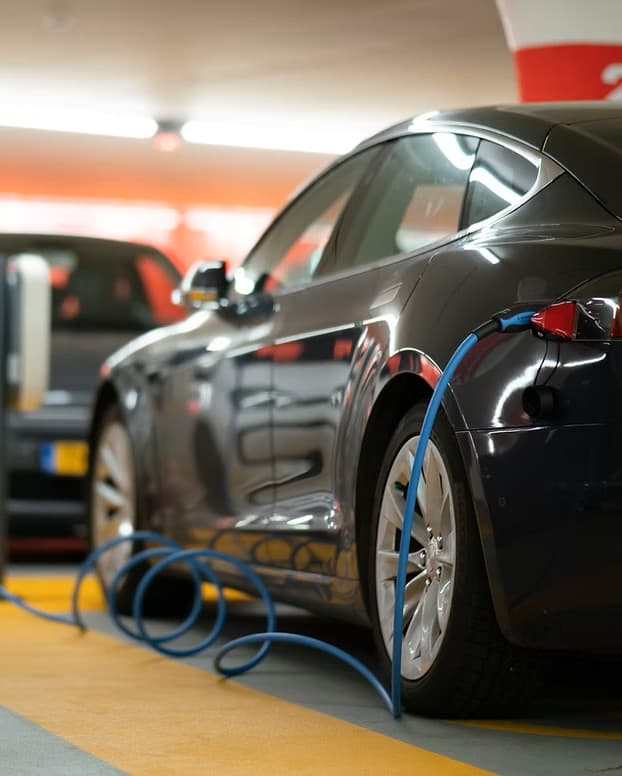
WELCOME TO E-MOBILITY ERA GROWTH OF WORLD AND INDONESIAN EVS
By: Abdul Rahman Elly (KOLEKSI 3)
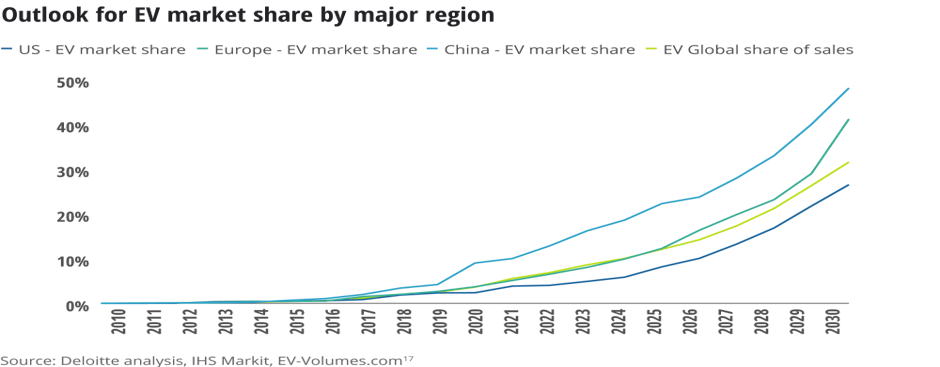
CarsIn line with the commitment to implement the Paris Agreement, global EV growth continues to accelerate year over year and is projected to reach 50% by 2030.
EV growth is accelerating the expansion of charging infrastructure to keep pace. The charging ecosystem is divided into 3 categories, namely Charging Points, Charging Hubs, and Charging Stations. Charging Points and Charging Hubs will dominate the charging locations, with 60% in buildings and commercial areas; the remaining 40% will be Charging Stations in public areas such as open areas and rest areas along intercity toll roads.
Indonesia is inseparable from this EV revolution. The government has encouraged the transition to EVs, including an accelerated charging infrastructure program. The government targets a minimum of 600,000 EV units by 2030, driven by cross-sector action and supported by the private sector. Currently, the EV movement is gaining momentum and experienced a "boom" in early 2024. After that, it will roll out indefinitely. Of course, this achievement target needs proper, appropriate education for all groups to build the ecosystem chain we want together.
As EVs grow nationally, the need for charging facilities in Indonesia is estimated at 400,000 charging points in the next 10 years. The government, through SOEs, cannot meet this demand alone. Therefore, the government needs to encourage the private sector to participate nationally in meeting charging needs. Government stakeholders, through PLN and Pertamina, strengthen charging facilities in public locations, including toll road rest areas; the private sector supports strengthening the charging network in commercial buildings to create the EV ecosystem EV users need, so everyone feels comfortable using this facility anytime, anywhere.
Globally, EV use requires accurate mapping; drivers measure distance traveled against the location of charging stations. To support this, it is necessary to develop fast, precise, and sustainable charging that involves all parties related to this EV revolution: governments/local governments, regulators, charging operators, electricity providers, and the community of electric car users/owners.
In addition to charging infrastructure, the development of charging points is also crucial for EV users. EV users experience greater driving comfort and safety when a strong EV ecosystem is in place, with charging points available everywhere, especially outside cities, and with locations close by and easy to reach.
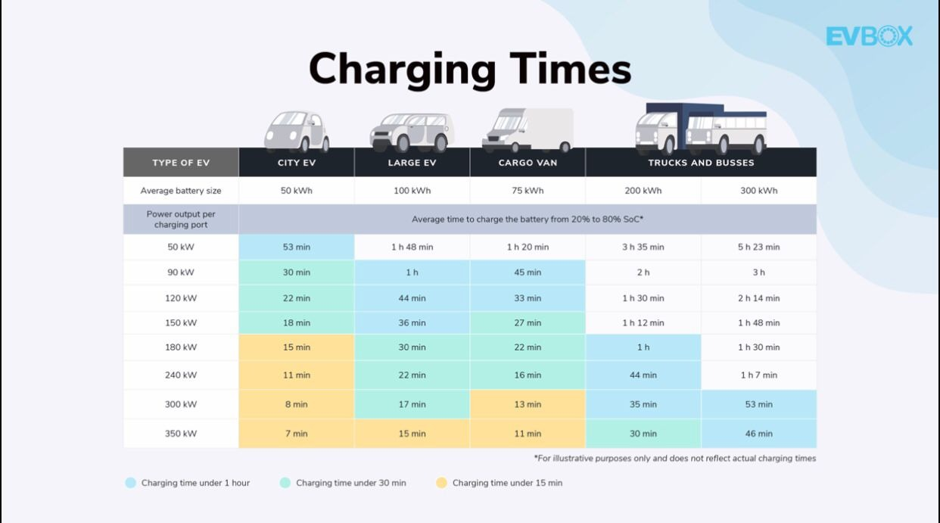
The table below describes the charging time process according to the type of EV and the battery capacity of each EV manufacturer. EV users who are not used to it will certainly get accustomed to it over time. With continued literacy and education, everyone will benefit, as is happening in many parts of the world.
We will not be able to avoid the changing times; the world has evolved to enter vehicle electrification, including Indonesia. As the nation's children, it is our duty to help advance the country so it is on par with other nations.
This EV revolution is not simple; we are called to contribute to the nation. We need precise approaches and methods so our people understand and become aware of EVs and their charging infrastructure.
Related Articles

27 Oct 2026
EV BATTERY WASTE AND RECYCLING PATHWAYS: UNDERSTANDING THE FATE OF USED EV BATTERIES?
By: Jessica Hanafi, PhD (KOLEKSI 911)

27 Oct 2026
EV Batteries and Safety Challenges: From Maintenance to Thermal Runaway
By: Prof. rer.nat. Evvy Kartini (KOLEKSI 910)
27 Oct 2026
BUKAN EMP, INI PENYEBAB MABUK DI MOBIL LISTRIK
By: Hendro Sutono (KOLEKSI 913)